

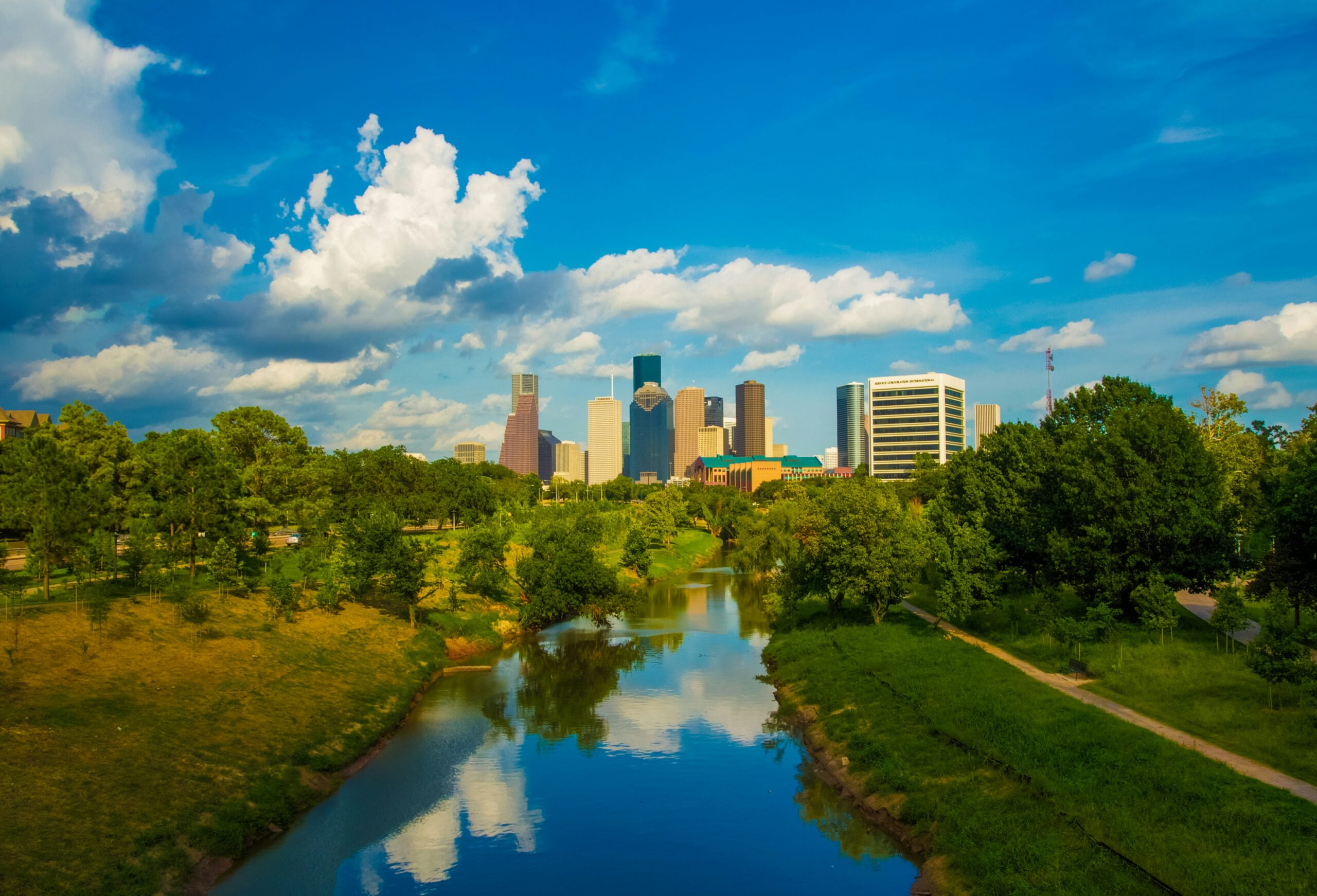
Overview
Houston is the largest city in Texas and a global leader in the energy industry. Known as “Space City,” it is also home to NASA’s Johnson Space Center. Houston boasts a vibrant cultural scene, a growing healthcare industry, and a thriving economy.
Population:
- 2.3 million (2023 estimate)
History and Significance:
- Founded: 1837.
- Historical Importance: Houston’s growth was fueled by the discovery of oil in Texas, which helped the city become a major energy hub.
Key Features:
- NASA’s Johnson Space Center: Houston is the headquarters for NASA’s human spaceflight program.
- Diverse Population: One of the most diverse cities in the U.S., with large communities from Latin America, Asia, and Africa.
- Cultural Institutions: Houston Museum of Natural Science, Museum of Fine Arts, Houston Zoo.
Economy:
- Industries: Energy, healthcare, aerospace, manufacturing.
- Major Companies: ExxonMobil, Phillips 66, Halliburton.
- Energy Capital: Houston is known as the global capital for the oil and gas industry, with energy companies leading the city’s economic activities.
Highlights
- Space Center Houston – Interactive exhibits, astronaut training displays, and NASA’s Mission Control.
- Downtown Aquarium – Family-friendly with marine life exhibits and rides.
- Houston Zoo – Popular with kids and families.
- Minute Maid Park & NRG Stadium – Homes of the Houston Astros (MLB) and Houston Texans (NFL).